
In its latest Global Energy Outlook released in November, the Paris-based International Energy Agency (IEA) stated that India is poised to become the new epicentre of oil demand growth over the next decade. Though China accounted for more than 75 per cent of oil demand growth over the past decade, the agency said that the “picture is changing”.
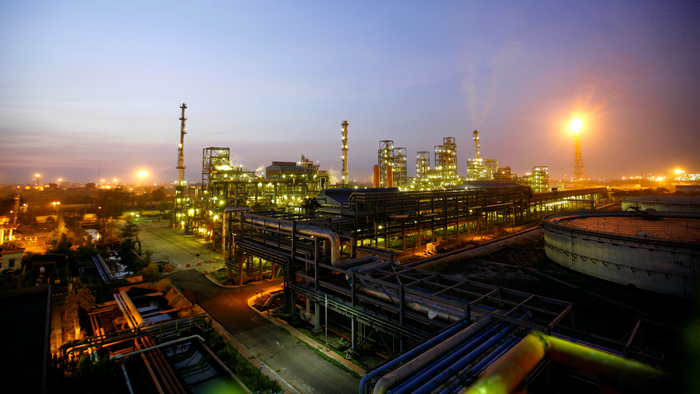
“India leads global oil demand growth over the next ten years, with almost half of the additional barrels produced globally to 2035 heading in its direction,” it said. India’s energy demand is also showing the fastest growth, increasing by 3 per cent every year on average to 2035.
ALSO READ: India Energy Week 2026: Goa preps for a crowded conversation on the future of energy
The outlook had a timely release, just weeks before the upcoming 4th edition of India Energy Week. IEW 2026, which is set to host over 75,000 energy professionals from more than 120 countries, will take place in Goa from January 27-30. The 4-day event will unite policymakers, business leaders, innovators and investors to drive pragmatic solutions for a secure, sustainable and affordable energy future.
To keep up with the oil demand, the country also needs to keep up with its infrastructure. Connected to India’s Sudipto Maity spoke exclusively to experts from Integrated Global Services, the Virginia-headquartered company which helps energy, power, and industrial operators eliminate corrosion and erosion risks that threaten uptime, reliability, and profitability.

“India is fast becoming the centre of global oil-demand growth, and its refineries are under increasing pressure to operate safely and reliably at higher rates. To keep up with demand, refineries need to act early by shifting to proactive integrity management and smarter energy-efficiency strategies,” said Edward Griffith, Managing Director, IGS.
“Across India, we are already seeing that early action on corrosion, better thermal performance and targeted upgrades can deliver significant gains without major capital spending. Refineries that take these steps will not only maintain a competitive edge but will also be better prepared to support India’s growth and safeguard the country’s long-term energy security,” he added.
According to Sean Matthew, Business Development Manager, IGS, a proactive integrity strategy gives refiners greater control over performance by combining predictive inspection, early intervention and proven protective technologies.

Proactive maintenance prevents production losses by controlling corrosion, erosion, and wear in critical assets. Installing robust internal barrier systems also reduces future maintenance requirements and limits shutdown scope and timelines.
“Instead of relying solely on major turnarounds, operators can also take advantage of out-of-turnaround solutions such as online fired-heater repair solutions to maintain asset health during the run. This continuous approach improves reliability, reduces shutdowns whilst strengthening confidence in meeting production targets. Ultimately, proactive integrity management is one of the most effective ways for India’s refiners to sustain output, protect equipment and meet rising demand safely and efficiently,” he said.
Asked about the importance of India Energy Week in promoting this change, Matthew said: “India Energy Week connects strategy with delivery. For refiners, it offers direct access to innovations that strengthen asset integrity, improve efficiency and enhance resilience, while showcasing India’s push toward a future-ready, lower-impact energy system.”
Matthew also advocated international collaboration to keep up with the growth. “Collaborations allow refineries to deploy advanced materials, digital monitoring and emissions-control solutions more quickly and confidently,” he said. “A range of innovations are already helping India’s refineries improve reliability, efficiency and emissions performance as demand rises. An example is robotic and automated maintenance technologies which are restoring lost heat-transfer efficiency and enabling safer, more precise cleaning and inspection of hard-to-reach areas.”
According to IEA India’s oil use is set to increases from 5.5 million barrels per day (mbpd) in 2024 to 8 mbpd in 2035. It attributed the growth to a significant increase in car ownership, increasing demand for plastics, chemicals and aviation, and growth in the use of Liquefied Petroleum Gas for cooking.
With the oil demand rising steadily, India will face the challenge of balancing energy security with sustainability. Asked how can the country achieve it, Matthew said, “India can meet its growing energy demand by reinforcing current infrastructure while laying the foundation for future systems.”
He said that oil and gas will remain essential, so ensuring reliable supply through refining capacity, storage and diversified imports is key.
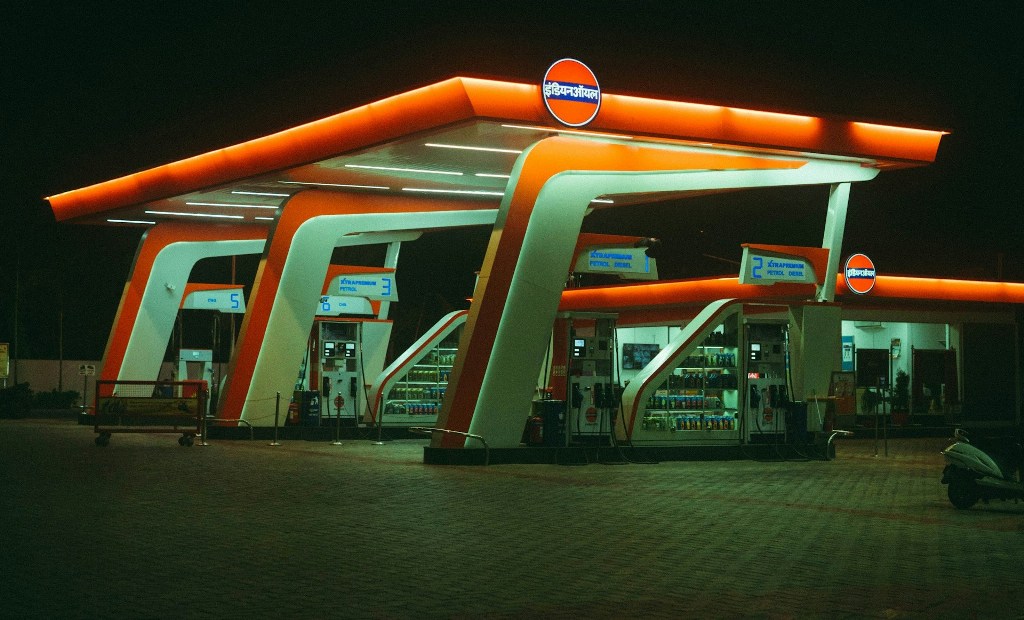
“At the same time, reducing energy use and emissions across operations improves sustainability without undermining reliability. It’s an approach that protects the country’s current energy security while accelerating progress toward its long-term decarbonisation goals,” he said.
In the late 1880s, India’s first oil refinery was set up at Digboi, Assam, after the discovery of oil in the country. Currently, the Indian Oil Corporation has the largest refining capacity, with nine refineries located across the country. According to PIB India: “At present, India has 19 Public-Sector Undertaking (PSU) refineries, three Private-Sector refineries, and one Joint Venture refinery. The country’s refining capacity increased from 215.066 Million Metric Tons per annum (MMTPA) in April 2014 to 256.816 MMTPA in April 2024.”
Matthew said that to meet the rising demand while maintaining efficiency and safety, Indian refineries need proactive maintenance supported by technologies that offer long-term protection for mission-critical equipment.
Corrosion and erosion are major risks for high-temperature units, often causing shorter run lengths and costly unplanned shutdowns if not managed early.
In this case, energy efficiency is critical for India’s refineries as rising demand pushes units closer to maximum capacity. Operational efficiency is a competitive advantage, with environmental and commercial implications for India’s refiners. Even small efficiency losses can raise operating costs and increase environmental impact.
“Improving energy-intensive equipment like fired heaters and heat exchangers through surface upgrades or better cleaning technologies directly boosts profitability and emissions performance. A recent efficiency optimisation project targeting fired heaters at one of India’s largest refineries shows the potential impact: enhanced heat transfer rates delivered a 10.5 per cent gain in absorbed duty in the radiant section, with 10 per cent fuel savings and more than a USD 4 million reduction in annual energy costs,” Matthew said.