
Aviation watchdog DGCA on Friday, December 5, eased the flight duty norms by allowing substitution of leaves with a weekly rest period amid massive operational disruptions at IndiGo, according to sources.
As per the revised Flight Duty Time Limitations (FDTL) norms, “no leave shall be substituted for weekly rest”, which means that weekly rest period and leaves are to be treated separately. The clause was part of efforts to address fatigue issues among the pilots.
Citing IndiGo flight disruptions, sources told PTI that the Directorate General of Civil Aviation (DGCA) has decided to withdraw the provision ‘no leave shall be substituted for weekly rest’ from the FDTL norms.
“In view of the ongoing operational disruptions and representations received from various airlines regarding the need to ensure continuity and stability of operations, it has been considered necessary to review the said provision,” DGCA said in a communication dated December 5.
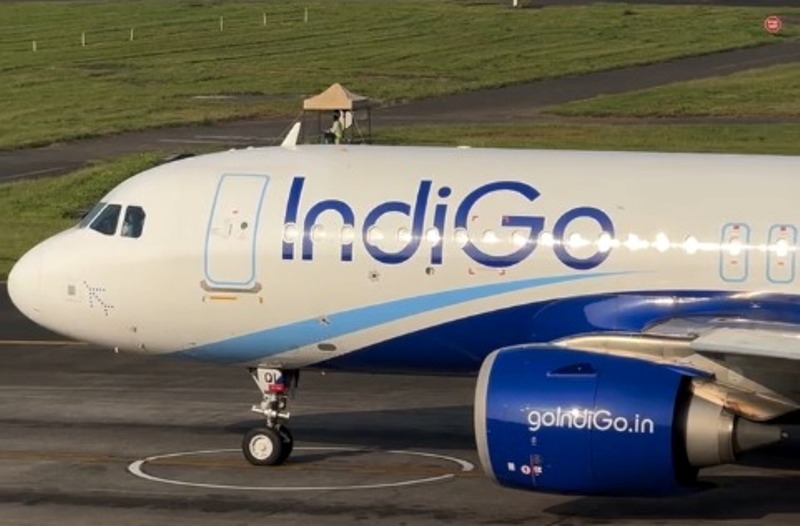
The gaps in planning ahead of the implementation of the revised FDTL, the second phase of which came into force from November 1, have resulted in crew shortage at IndiGo and is one of the key reasons for the current disruptions.
Message from Pieter Elbers, CEO, IndiGo. pic.twitter.com/bXFdqoB0Q2
— IndiGo (@IndiGo6E) December 5, 2025
Meanwhile, the pilots’ body, Airlines’ Pilots Association (ALPA) India, has taken a “strong” objection to the DGCA’s “selective and unsafe” relief to IndiGo, saying that the relaxations have not just “destroyed regulatory parity but also placed millions of passengers at “heightened risk”.
Following the meeting convened by the Ministry of Civil Aviation with ALPA India and other pilot associations on December 5, the Ministry announced that it has decided to place the implementation of the revised FDTL CAR in abeyance.
“ALPA India expresses its deep concern that this step directly contradicts the Court’s directions, which mandate the enforcement of fatigue-mitigation standards rooted in aviation science,” the Association said in a statement late Friday.
It stated that keeping the FDTL in abeyance not only undermines judicial authority but also heightens the risk to pilots and passengers by delaying essential fatigue protections.
“We urge the (Civil Aviation) Ministry and the regulator to uphold the Court’s order in both letter and spirit and to prioritise the safety of the pilots and travelling public above all commercial considerations,” ALPA India said.
We are sorry 🙏 pic.twitter.com/8DmY2rJrjR
— IndiGo (@IndiGo6E) December 5, 2025
It is worth noting that IndiGo was the first carrier to oppose the new FDTL norms for pilots when they were introduced in January 2024, with a March implementation timeline.
It had been argued that the airlines require more time to put in place due to additional crew requirements. The latest FDTL norms, which entail increased weekly rest periods to 48 hours, extended night hours, and limiting the number of night landings to only two, as against six earlier, were initially also opposed by domestic airlines, including IndiGo and Tata Group-owned Air India.
But they were subsequently rolled out by the DGCA following the Delhi High Court’s directives, albeit with a delay of over one year, in a phased manner, and with certain variations for airlines like IndiGo and Air India.
While the first phase of these FDTL norms came into force in July, the second phase, which reduced the number of night landings from six to two earlier, was implemented from November 1.
The norms were originally to be put in place in March 2024.